Build a Leader. Change a Future.
Your support empowers young people to grow in confidence, character and capability.
The Leadership Pathway
A clear framework for how leadership is taught
The Leadership Pathway is the structured journey that shapes each young person in the Pestalozzi Future Leaders Programme. It is not an add-on to academic study, and it is not a short course in leadership theory. It is a deliberate, long-term framework that defines how leadership is taught, practised and lived from age 11 through to graduation and beyond.
From the beginning, the aim is clear. Education is not only about personal advancement. It is about preparing young people to contribute meaningfully to their communities and countries. The Leadership Pathway ensures that every experience, from classroom learning to community service, builds the knowledge, values and capabilities required for lifelong leadership.
Access
Where potential meets purpose
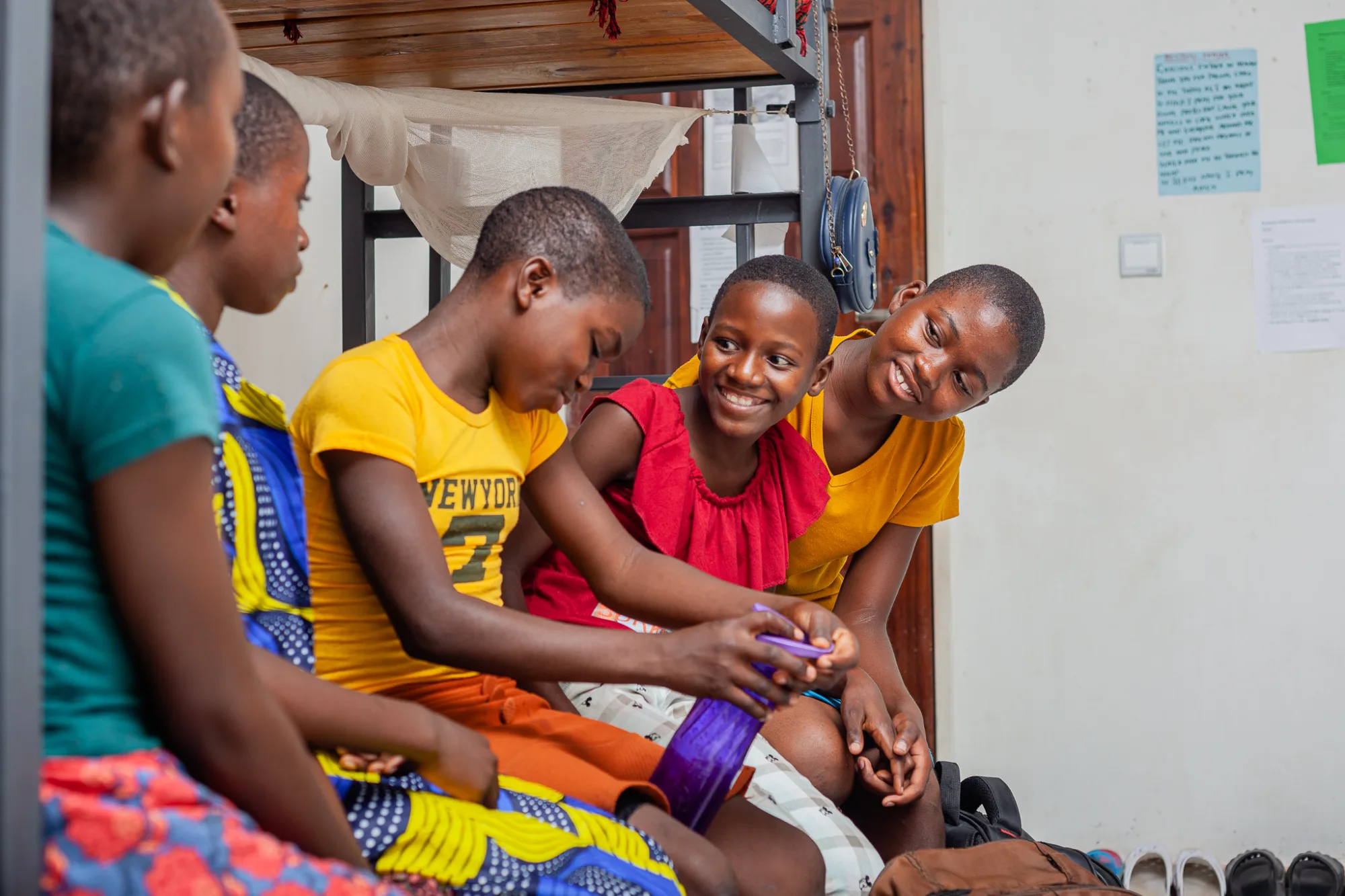
Students are selected at age 11, primarily from rural communities and the lowest wealth quintile. Selection is based on ability and character, with a 2:1 ratio of girls to boys. The programme recognises that talent is universal, but opportunity is not.In Zambia, only 1 in 33 young people from disadvantaged backgrounds completes their education. In rural areas, over 60 per cent of children live below the poverty line. The Leadership Pathway is designed to interrupt that pattern by combining academic opportunity with leadership formation. From the outset, students are encouraged to connect education with purpose. They are challenged to see their learning as preparation for service, not simply for personal success.
Belonging as the Foundation
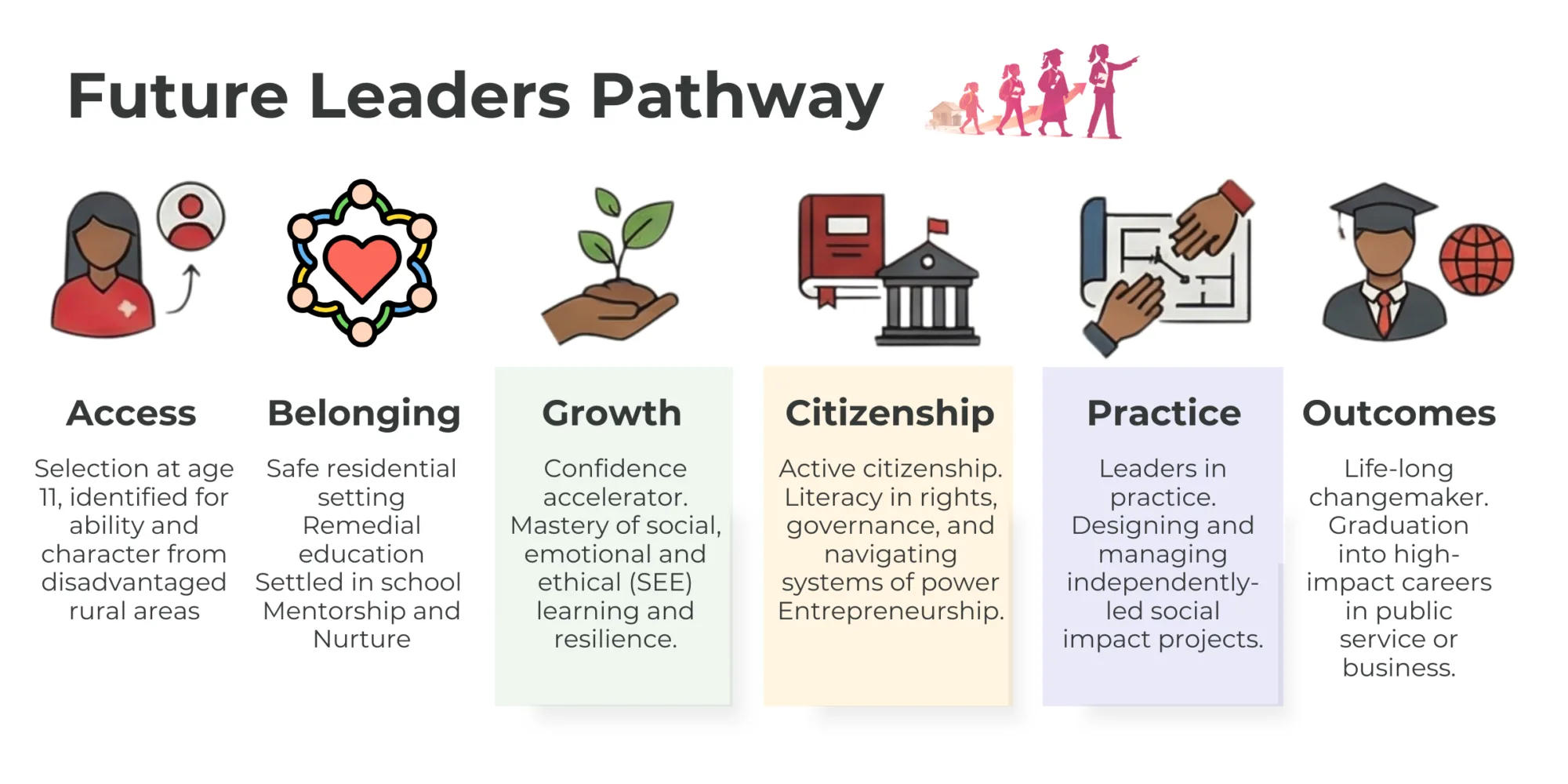
Leadership cannot develop in isolation or insecurity. It requires belonging. Students join a residential community that provides safety, stability and shared responsibility. The environment celebrates kindness and mutual respect. Remedial learning addresses academic gaps early, while shared routines create structure and consistency. Mentorship is central. Each student is known, supported and stretched. This consistent support builds confidence and personal agency. Young people begin to see themselves not as recipients of support, but as individuals with the capacity to lead. Belonging is therefore not a pastoral feature. It is the first step in leadership development.
Growth and Skills: Building Confidence and Capability
In the early stages of the pathway, strong emphasis is placed on accelerating both academic and personal growth. Students strengthen their academic foundations and English proficiency. They engage in structured social, ethical and emotional learning. They explore interests, talents and passions that help them understand who they are and what they can offer. This phase is often described as a confidence accelerator. Many students arrive with limited exposure to opportunity. Through guided challenge and encouragement, they build the belief and skills required to take on greater responsibility. Leadership is taught here as self-mastery. Before leading others, students learn to manage themselves.
Active Citizenship: Understanding Systems and Responsibility
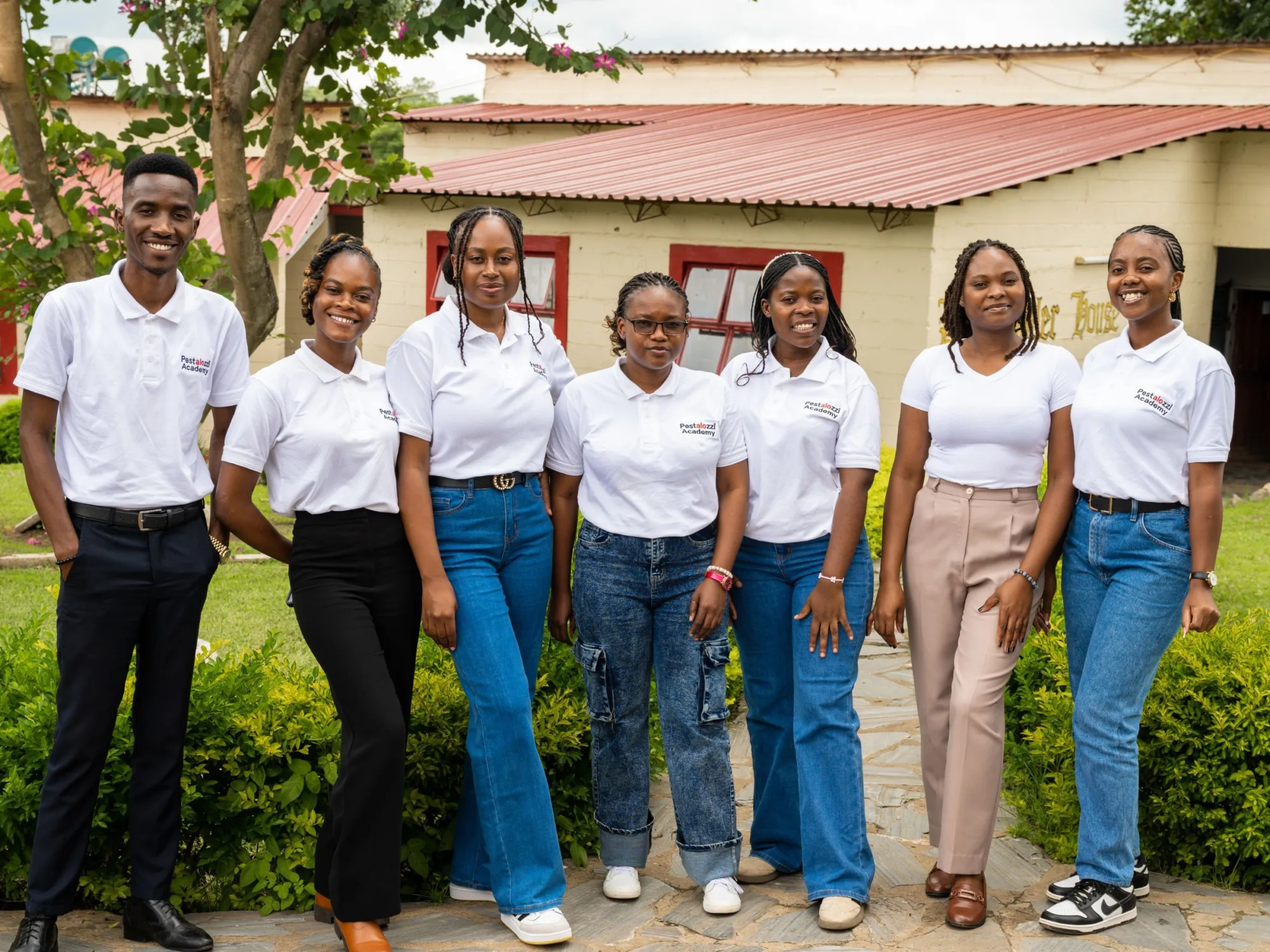
As students mature, the Leadership Pathway deepens in complexity. They learn about citizen rights and responsibilities. They develop financial and digital literacy. They analyse real-world challenges and debate solutions with evidence and respect. Guided community service projects allow students to practise leadership in structured settings. They begin to understand how institutions, policies and communities function. They learn that effective leadership requires both compassion and systems thinking. At this stage, leadership is taught as informed participation. Students are no longer only developing personally. They are actively engaging with the world around them.
Leaders in Practice: From Participation to Ownership
The later stages of the pathway move from guided experience to independent application.
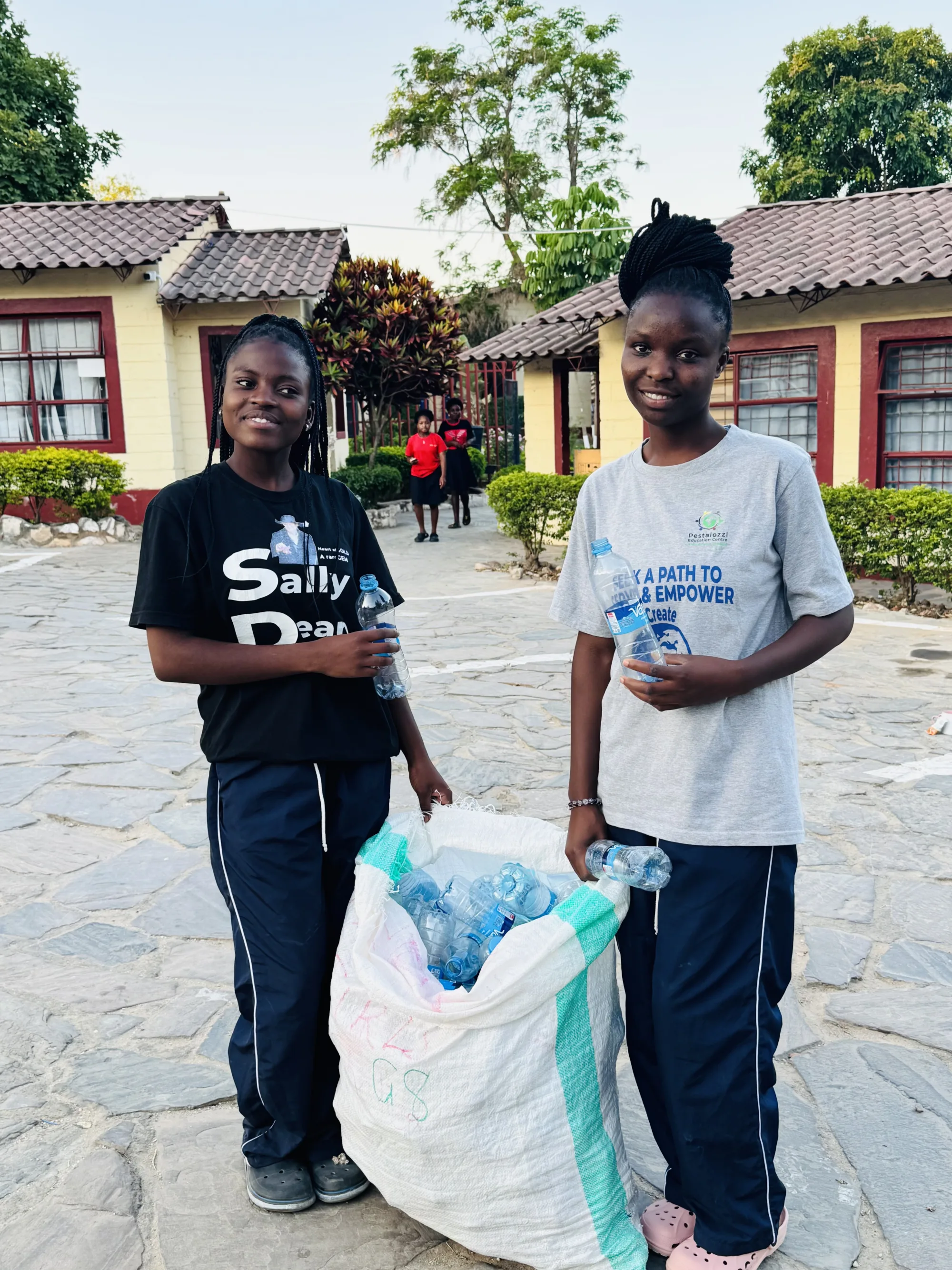
Students learn how to manage impactful projects. They then design and lead their own initiatives. Responsibility shifts from staff-led to student-driven. Young people are expected to identify needs, plan responses and deliver measurable outcomes. This is where leadership becomes visible and tangible. Students demonstrate agency as social actors. They experience the challenges of implementation, accountability and persistence. Leadership is no longer theoretical. It is practised.
The Framework: How Leadership Is Taught
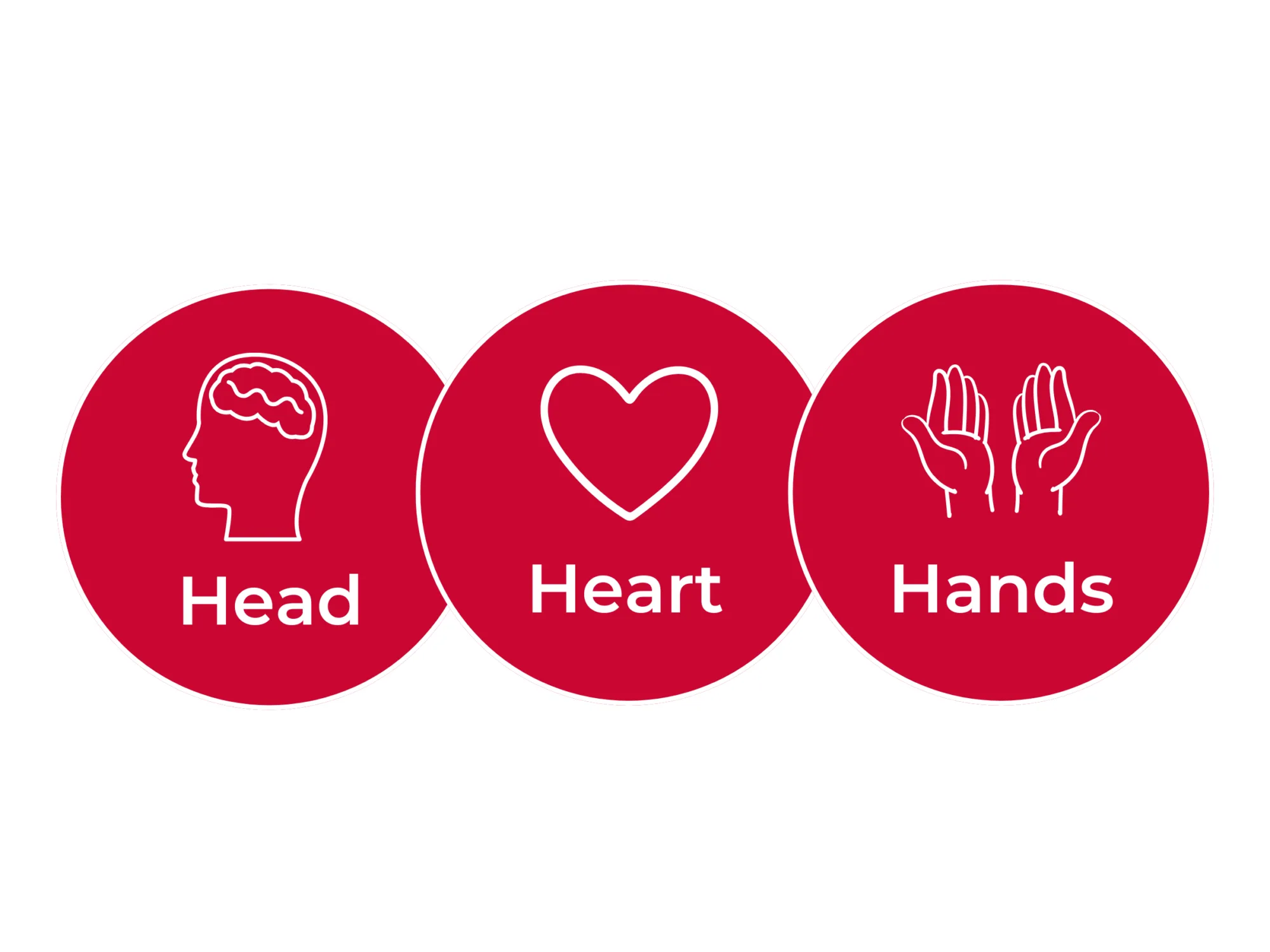
At the core of the Leadership Pathway is a simple but rigorous framework. Leadership is developed through the integration of Head, Heart and Hands.
Head: Critical Thinking and Academic Excellence The Head represents intellectual development.
Students are challenged to achieve academic excellence and to think critically. They strengthen literacy and analytical skills. They learn to question assumptions, evaluate evidence and solve complex problems. Academic achievement is not pursued for status. It is cultivated as a tool for impact. Students are taught that rigorous thinking is essential for responsible leadership.
Heart: Compassion and Ethical Character
The Heart represents values and character.
Through social, ethical and emotional learning, students develop empathy, resilience and integrity. They explore what it means to act with fairness and courage. They learn that leadership without compassion is incomplete. Global citizenship is embedded throughout the programme. Students recognise their connection to wider communities and develop a commitment to contribute positively to society. Leadership is therefore grounded in purpose and principle.
Hands: Practical Skills and Real World Action
The Hands represent action and application. Students gain practical skills including project management, financial literacy and digital competence. They apply their learning in community service and independently designed initiatives. Leadership is taught as something that must be enacted. Knowledge and values are translated into measurable action.
Head, Heart and Hands are not separate strands. They are integrated in every activity. Academic lessons, community projects and residential life are all intentionally designed to strengthen all three dimensions.
This framework ensures that leadership development is coherent and cumulative rather than fragmented.
Education Reimagined
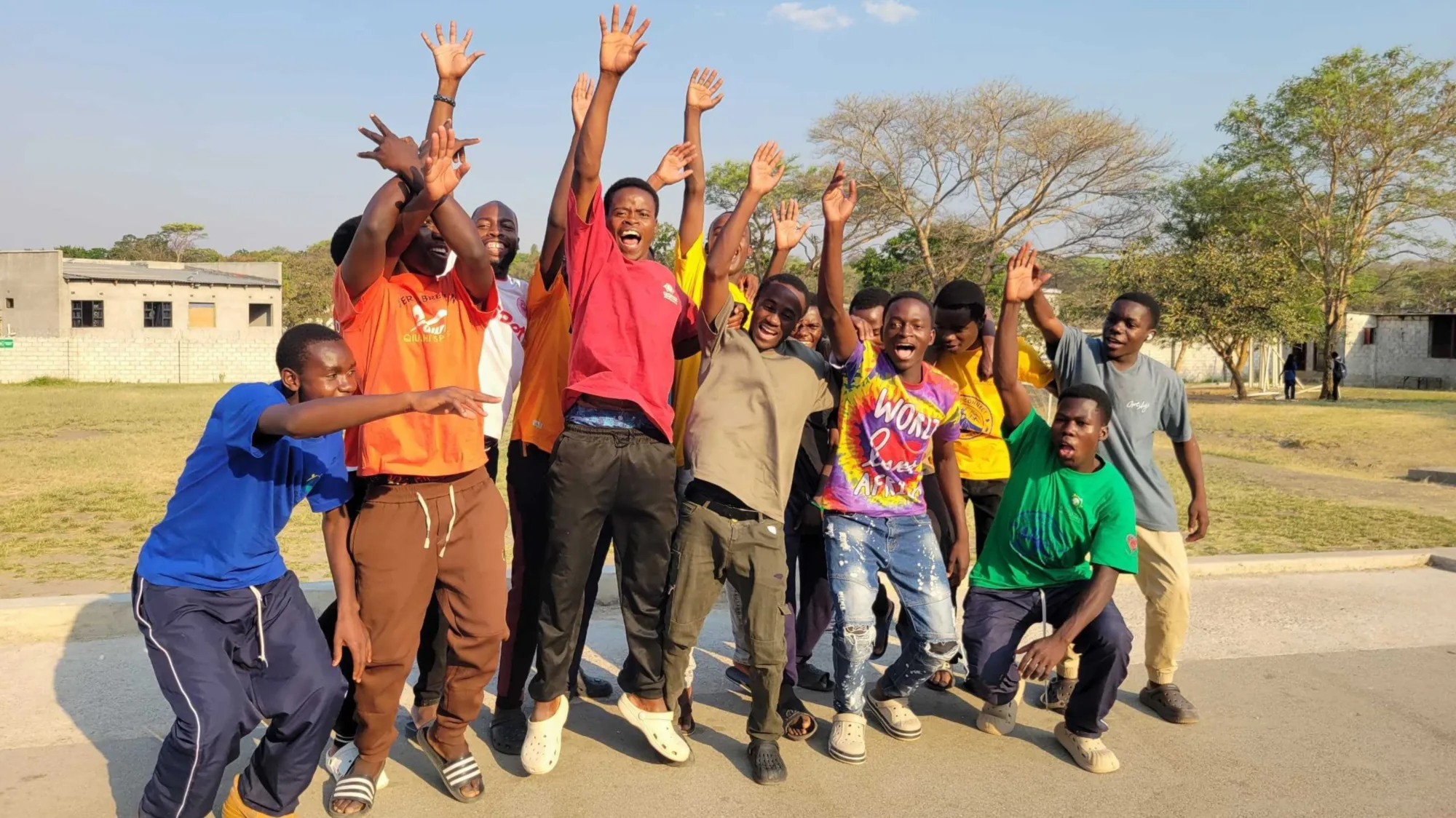
The Leadership Pathway redefines education as formation rather than instruction alone. It builds confidence, personal agency and ethical character alongside academic success . It prepares young people to be ambitious for national and international development and ready for university and careers .
The results are visible in a global alumni network of more than 2,700 graduates. Over 70 percent continue giving back to their communities, many in public service roles, and around 97 percent remain in their home countries . More than 50 NGOs have been founded or are led by alumni, alongside contributions across sectors from climate justice to cancer research.
These outcomes reflect a pathway designed with clarity and discipline.
The Leadership Pathway is not a slogan. It is a structured framework for how leadership is taught, strengthened and sustained for life.