Keeping the flame of education alive
Our COO, Eddie, shares insights from the 2025 John West-Burnham Lecture in Suffolk, UK
Education should build character, connection and contribution.
Insights on holistic education by our COO, Eddie West-Burnham
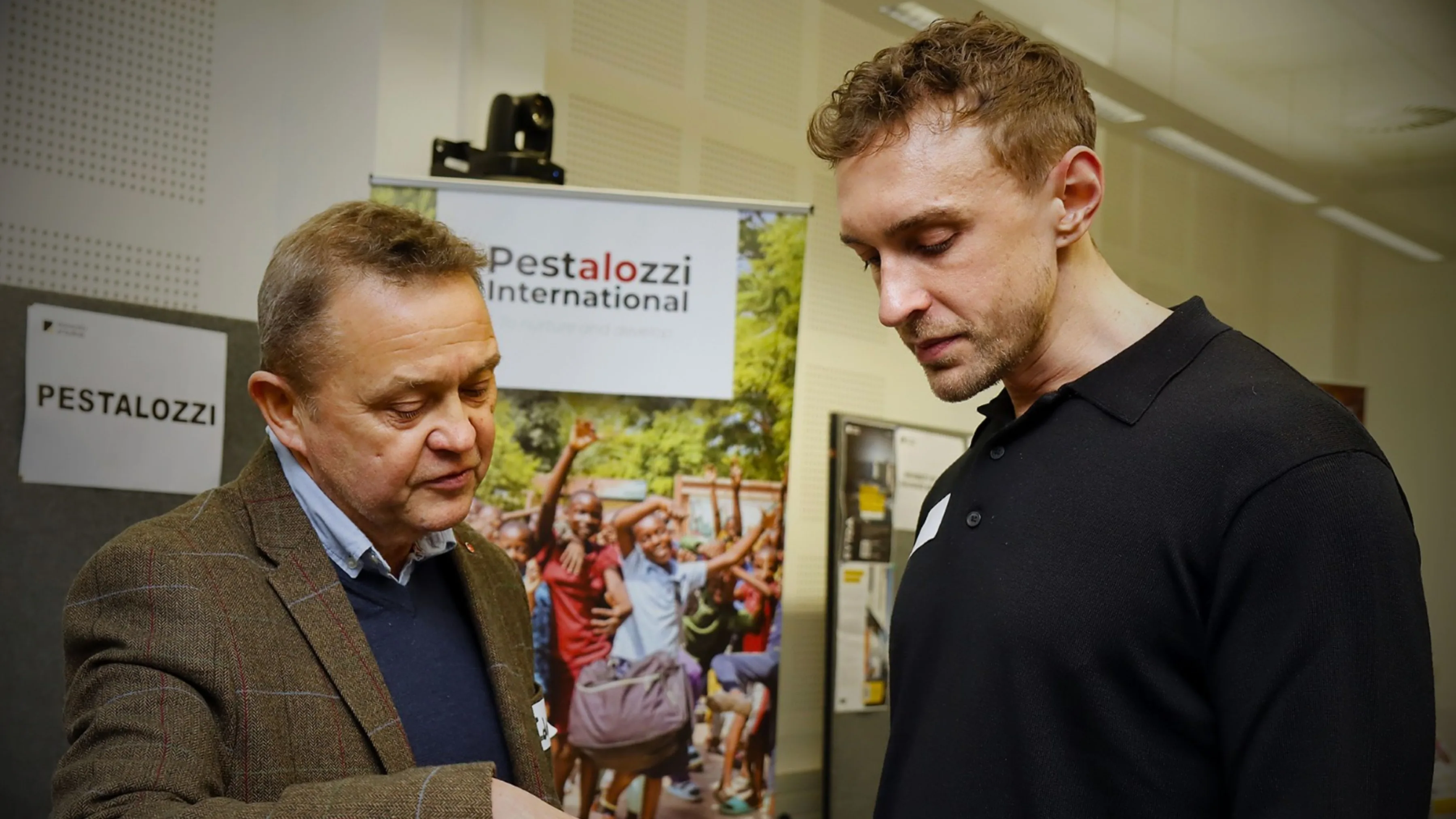
Last week I had the pleasure to attend the 2025 John West-Burnham Lecture at the University of Suffolk. It was a fantastic evening which left me with two powerful ideas.
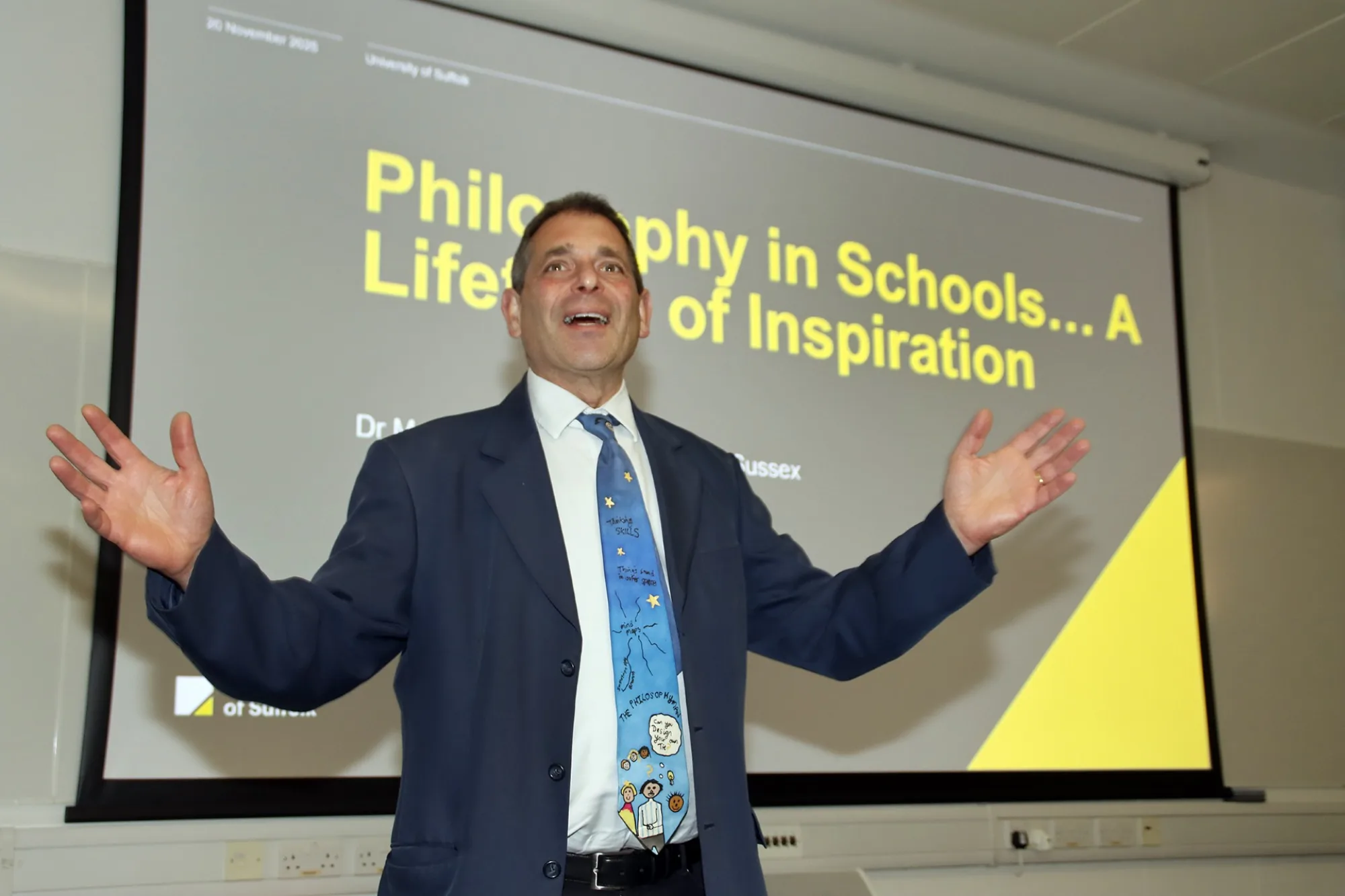
Marcelo Staricoff opened with a case for a more philosophical curriculum where we start from the belief that children are born philosophical, then nurture their curiosity through a community of inquiry.
The payoff? Rich dialogue, humour, values and democracy in action - plus sharper insight into depth of understanding and misconceptions. Above all, it grows creative and critical thinkers who can make good choices and contribute to a better world.
Leading schools from the inside out
In his keynote, Dr Malcolm Groves argued for leading schools from the inside out - growing social capital (trust, belonging, mutual responsibility) and increasing the opportunities to engage more meaningfully with real life so students take on real roles, responsibilities, risks and reality.
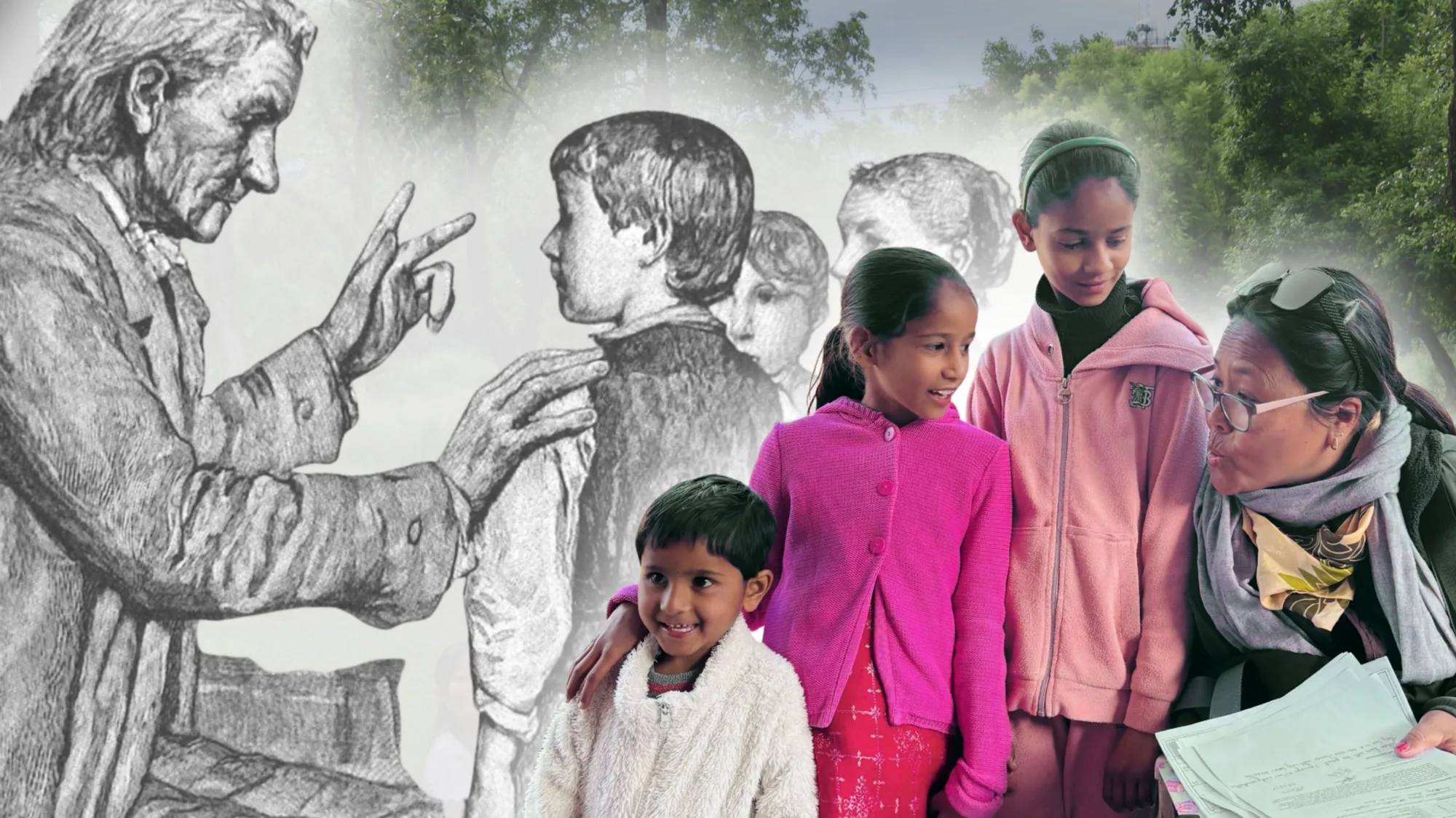
That vision is deeply Pestalozzian (Head–Heart–Hands) and it’s what we’re building at Pestalozzi International: increasing emotional-intelligence and resilience with innovative new roles led by the Catalytic Mentor model, plus real-world learning through SkillsHub and community partnerships. This gives students the opportunity to experience responsibility, purpose and contribution, not just prepare for it.
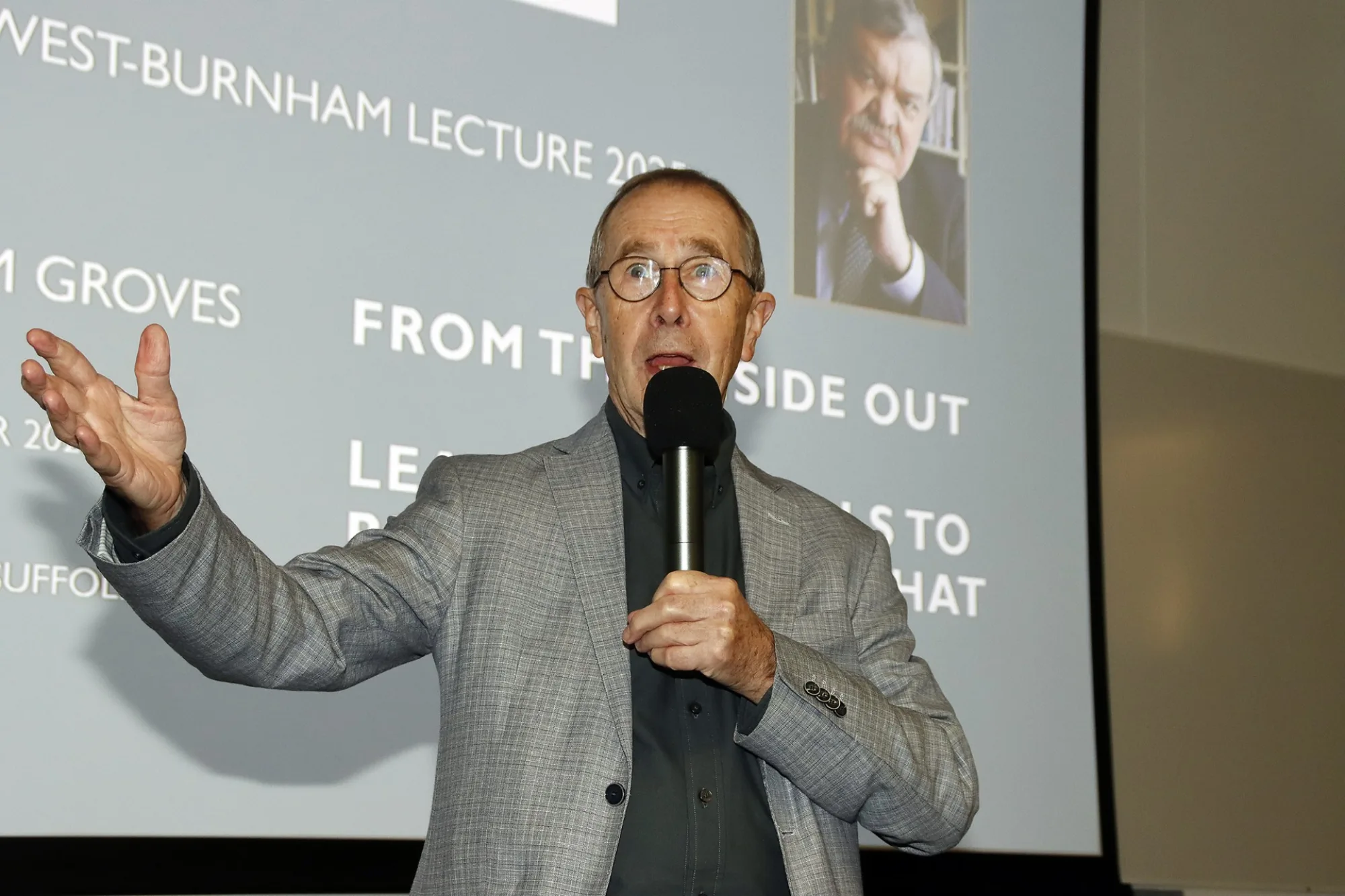
Malcolm’s reference to Alison Gopnik’s “gardener vs carpenter” metaphor landed as well. Too often the system nudges educators to be carpenters (moulding to a plan) when most of us came to education to be gardeners (cultivating unique potential).
As an organisation, that’s our challenge: to help the next generation of young people to maximise their potential and become the leaders of tomorrow. When schools do this, communities strengthen - and strong communities, in turn, strengthen schools.